

As winter rolls in, your car faces more than chilly mornings. The cold brings thickened oil, drained batteries, and slippery roads that can turn your daily drive into a challenge. Every year, thousands of breakdowns happen during the first frost, most of which could be avoided with simple preparation.
Preparing your car for cold weather is about comfort, it’s about safety, and saving money. From checking your battery to packing a winter emergency kit, this guide gives you everything you need to keep your car ready for whatever the season throws your way.
Why Cold Weather Hits Your Car Hard
Cold temperatures affect nearly every part of your car. Batteries lose about 30% of their power at freezing point, making cold starts harder. Oil thickens and flows more slowly, which can cause poor lubrication during morning start-ups. Tyres lose air pressure, reducing grip and increasing wear.
In the UK, road salt adds another challenge, accelerating rust and corrosion on exposed parts of your vehicle. Shorter daylight hours also strain your car’s lighting system. Understanding how cold impacts your car helps you prioritize the right checks before winter fully sets in.
Pre-Winter Maintenance Checklist
A well-maintained car handles winter better, uses less fuel, and avoids costly breakdowns. Here’s your pre-winter car maintenance checklist.
1. Battery and Electrics
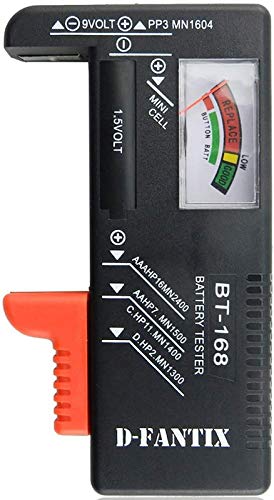
Your car battery works harder in the cold, so it’s the first thing you should check. If your car struggles to start or you’ve had the same battery for more than three years, get it tested or replaced. Portable battery testers cost around £20 to £35 on Amazon, while replacement batteries typically range between £70 and £150, depending on your vehicle type.

Clean the terminals with a dry cloth and check for corrosion. Apply petroleum jelly to prevent further buildup. Make sure all interior and exterior lights are working correctly, and replace any weak bulbs immediately.
2. Fluids: Oil, Coolant, Fuel, and Screenwash
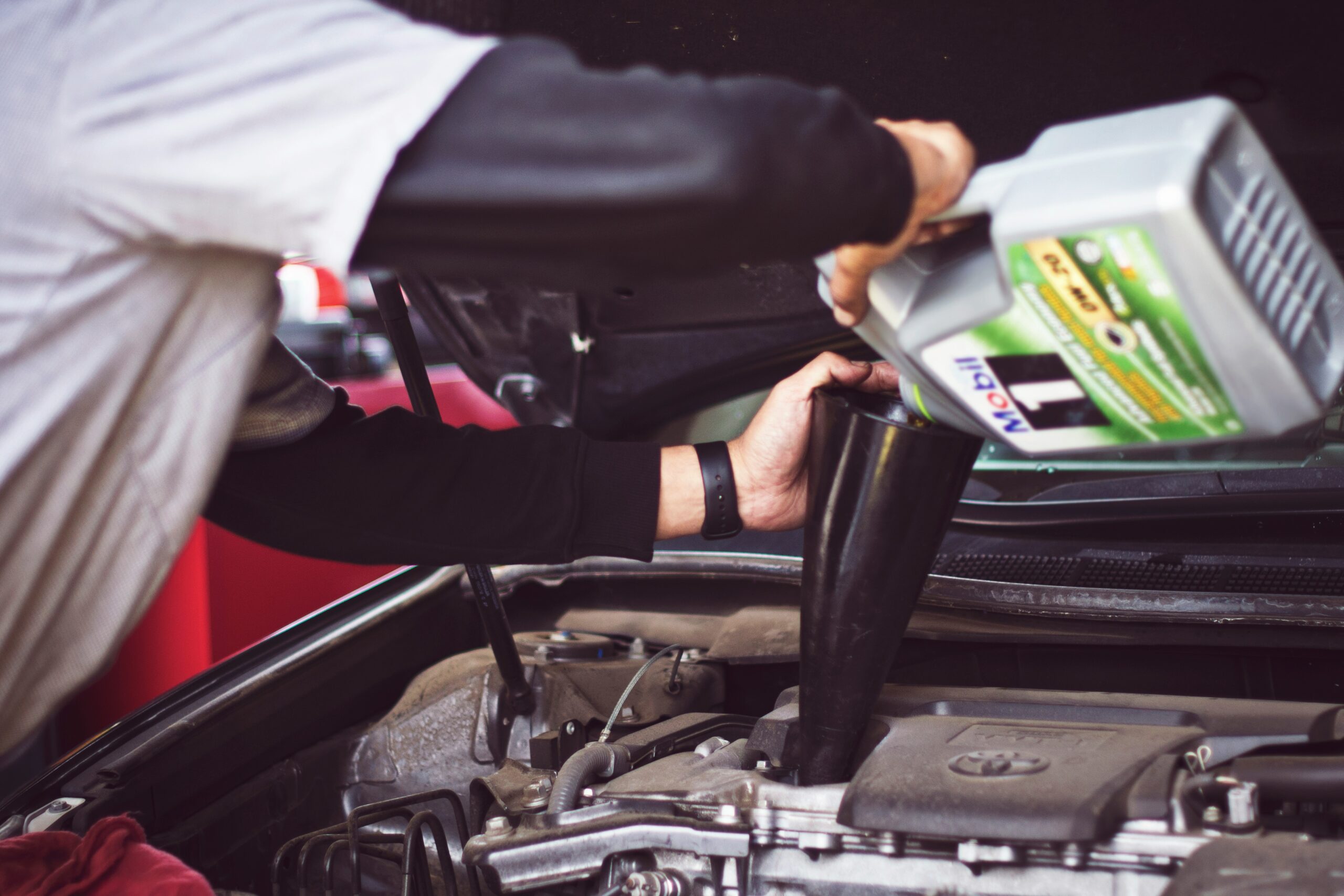
Cold weather thickens oil, making it harder for your engine to circulate lubrication. Check your owner’s manual for the correct winter-grade oil, such as 5W-30, which flows better at lower temperatures. A 4-litre jug of quality synthetic oil costs around £25 to £40 on Amazon.


Top up your antifreeze or coolant mix and ensure it’s rated for freezing temperatures down to at least -20°C. In most cases, a 50:50 water to antifreeze ratio works best. Keep your fuel tank at least half full to prevent condensation, which can freeze in the fuel lines.
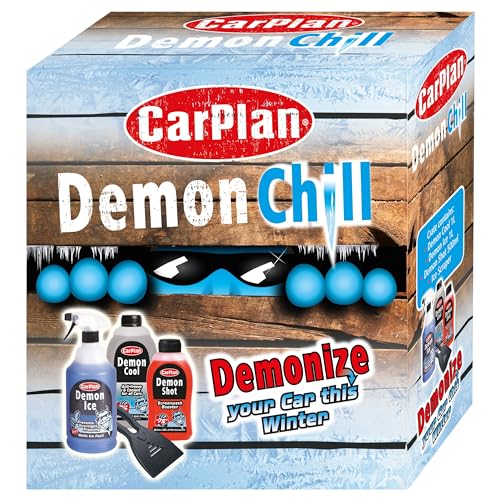
Use screenwash that protects down to -15°C or below to keep your windscreen clear. Winter screenwash concentrates typically cost between £5 and £10 per litre online.
3. Tyres and Rubber
Tyres lose pressure as temperatures fall, roughly 1 psi for every 6°C drop. Check tyre pressures weekly and make sure your tread depth is above the UK legal minimum of 1.6mm. For better grip, aim for at least 3mm.
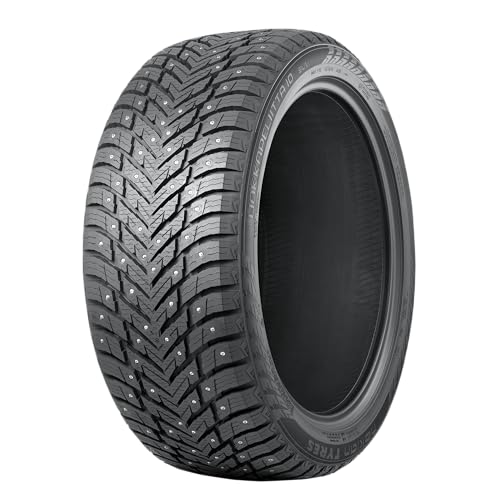
Consider switching to winter or all-season tyres, especially if you live in an area that sees regular frost or snow. Winter tyres provide better traction and shorter braking distances. A set of budget winter tyres usually costs £250 to £400, while premium sets can range from £450 to £700.
READ ALSO: Best Magnetic Phone Holders for Car (2025/2026): Top Picks and Buying Guide


Also, inspect your wiper blades. If they smear or leave streaks, replace them. New wipers typically cost £10 to £20 per pair on Amazon.
4. Lights and Visibility
Clean your headlights, brake lights, and number plates frequently, as road salt and grime can quickly reduce visibility. Cloudy headlights can be restored with a polishing kit, available online for about £10 to £25.
Check that your fog lights work properly and align your headlights if they seem off. Replace any dim bulbs with brighter halogen or LED equivalents.


5. Body, Locks, and Doors
When temperatures drop below freezing, moisture around doors and locks can freeze. Use a silicone spray on door seals to prevent sticking. Silicone sprays cost around £6 to £10 and can be found easily on Amazon.
Apply a thin layer of petroleum jelly to locks or use a de-icer spray. Never force a frozen lock, as you can break the key.
Inspect your undercarriage for signs of corrosion. A quick rinse every few weeks can wash away road salt and prevent rust.


6. Service and Timing
Book a pre-winter service if your car hasn’t been checked recently. Mechanics can test your antifreeze strength, battery charge, and overall readiness. The best time for this service is early autumn before the first frost. Regular servicing now saves you from expensive repairs later.
READ ALSO: The Ultimate Guide to Cleaning and Maintaining Custom Wheels (For Longevity, Shine & Safety)
Winter Driving and Usage Adjustments
Even if your car is in perfect condition, winter driving requires extra care.
Drive smoothly. Avoid sharp braking or acceleration, as icy roads reduce traction. Maintain a greater following distance to account for longer stopping distances.
Plan your journey. Always check the weather forecast and traffic reports before setting off. Stick to main roads that are more likely to be gritted, and keep family or friends informed of your route.
Warm up properly. Contrary to popular belief, idling your car for 10 minutes before driving doesn’t help. Modern engines warm faster when driving gently. Start the engine, wait 30 seconds, and move off smoothly.
EV and Hybrid considerations. Electric cars lose range in cold weather due to reduced battery efficiency. Pre-condition the cabin while plugged in and keep the battery charged above 20%. Parking indoors or using a thermal cover helps retain battery warmth.
Reduce glare. Winter sun sits low on the horizon, making glare worse. Keep sunglasses in the car and clean the inside of your windshield regularly.
The Ultimate Winter Emergency Kit and Car Survival Pack
When you prepare your car for cold weather, you must also plan for emergencies. A winter kit can be a lifesaver if you get stranded.
Essential items:
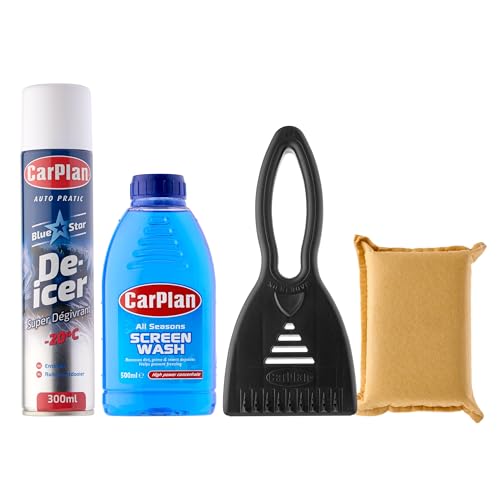
- Ice scraper and de-icer spray (£6–£15 combined)
2. Torch or headlamp with extra batteries (£10–£20)
3. Blanket and warm clothing (£15–£30)
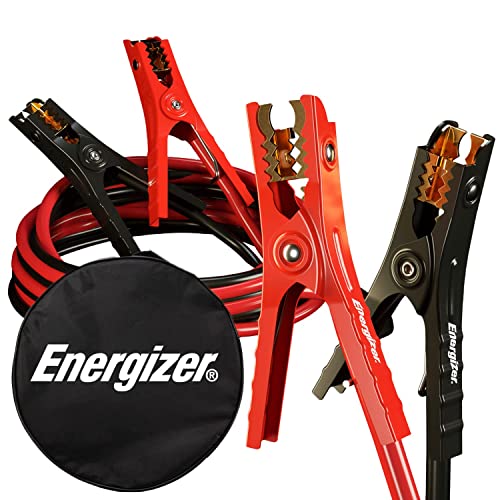
4. Jumper cables (£15–£25)
5. Portable phone charger or power bank (£15–£40)

6. Small shovel (£10–£25)

7. First-aid kit (£10–£20)


8. Bottled water and energy snacks
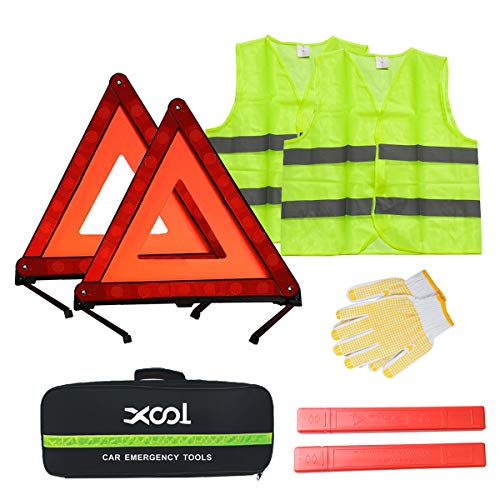
9. High-visibility vest and warning triangle (£10–£20 combo)

Keep your kit in a waterproof storage box in your boot. Re-check batteries and expiry dates each season.
If you get stranded, stay with your car unless it’s unsafe. Run the engine occasionally to stay warm, but make sure the exhaust is clear of snow to prevent carbon monoxide buildup.
READ ALSO: Top 10 Budget-Friendly Truck Accessories That Deliver Big Value (Without Breaking The Bank)
Cost-Saving and Smart Hacks
You don’t have to spend a fortune to keep your car winter-ready. Try these affordable hacks:
- Use a mix of vinegar and water (3:1) to prevent frost buildup on windows overnight.
- Keep an old pair of socks on your wiper blades when parked to prevent them freezing to the windshield.
- Lubricate door locks and seals with silicone spray instead of expensive branded de-icers.
- Check local garages for “free winter checks,” which many offer as seasonal promotions.
- Use a tyre pressure gauge (around £10 to £15) to maintain fuel efficiency and prolong tyre life.
- Consider all-season tyres if you live in milder regions; they can save you hundreds compared to switching between sets.


The Ultimate Winter Emergency Kit and Car Survival Pack
When you prepare your car for cold weather, you must also plan for emergencies. A winter kit can be a lifesaver if you get stranded.
| Item | Purpose | Typical Price Range (Amazon UK) |
|---|---|---|
| Ice scraper and de-icer spray | Clears ice from windows and locks | £6–£15 |
| Torch or headlamp | Visibility in dark conditions | £10–£20 |
| Blanket and warm clothing | Warmth if stranded | £15–£30 |
| Jumper cables | Restart dead battery | £15–£25 |
| Portable phone charger | Emergency communication | £15–£40 |
| Small shovel | Clearing snow or digging out tyres | £10–£25 |
| First-aid kit | Treat minor injuries | £10–£20 |
| High-visibility vest and warning triangle | Safety on roadside | £10–£20 |
| Bottled water and snacks | Hydration and energy | £5–£10 |
Mistakes to Avoid
Even well-meaning drivers make common mistakes during winter. Avoid these pitfalls:
- Driving with low fuel, which risks frozen lines and condensation.
- Ignoring old or worn tyres that lose grip in cold conditions.
- Using non-winter screenwash that freezes in nozzles.
- Pouring hot water on frozen glass, which can cause cracks.
- Forgetting to check battery terminals or leaving interior lights on overnight.
- Over-idling the car to “warm it up,” wasting fuel and harming the engine.
FAQs
1. When should I start preparing my car for cold weather?
It’s best to begin in early autumn, around September or October. This gives you time to replace parts, schedule servicing, and gather supplies before the first frost hits.
2. Do I really need winter tyres in the UK?
If you live in a region with frequent frost, snow, or temperatures below 7°C, winter tyres can significantly improve grip and safety. For milder areas, high-quality all-season tyres are often enough.
3. Can I use normal screenwash in winter?
Standard screenwash can freeze in sub-zero temperatures. Always use a winter-rated screenwash that protects down to -15°C or lower to avoid frozen jets and poor visibility.
4. How do I keep my electric car efficient in winter?
Pre-condition the car while it’s still plugged in, drive in eco mode, and park in a garage or sheltered area to retain battery warmth. Keeping the battery charged above 20% also helps maintain range.
Conclusion
Preparing your car for cold weather is one of the smartest investments you can make before winter. A few hours of checks and small purchases now can save you hundreds in breakdown fees and keep you safer on the road.
Remember the essentials: check your battery, top up fluids, maintain tyre pressure, and stock an emergency kit. When the frost hits, you’ll be ready, confident, and warm, instead of stranded in the cold.
Stay proactive, stay safe, and keep your car winter-ready all season long.
If you found this guide useful or have your own cold-weather car prep tips, drop them in the comment section below. Your insights could help another driver stay safe this winter.