
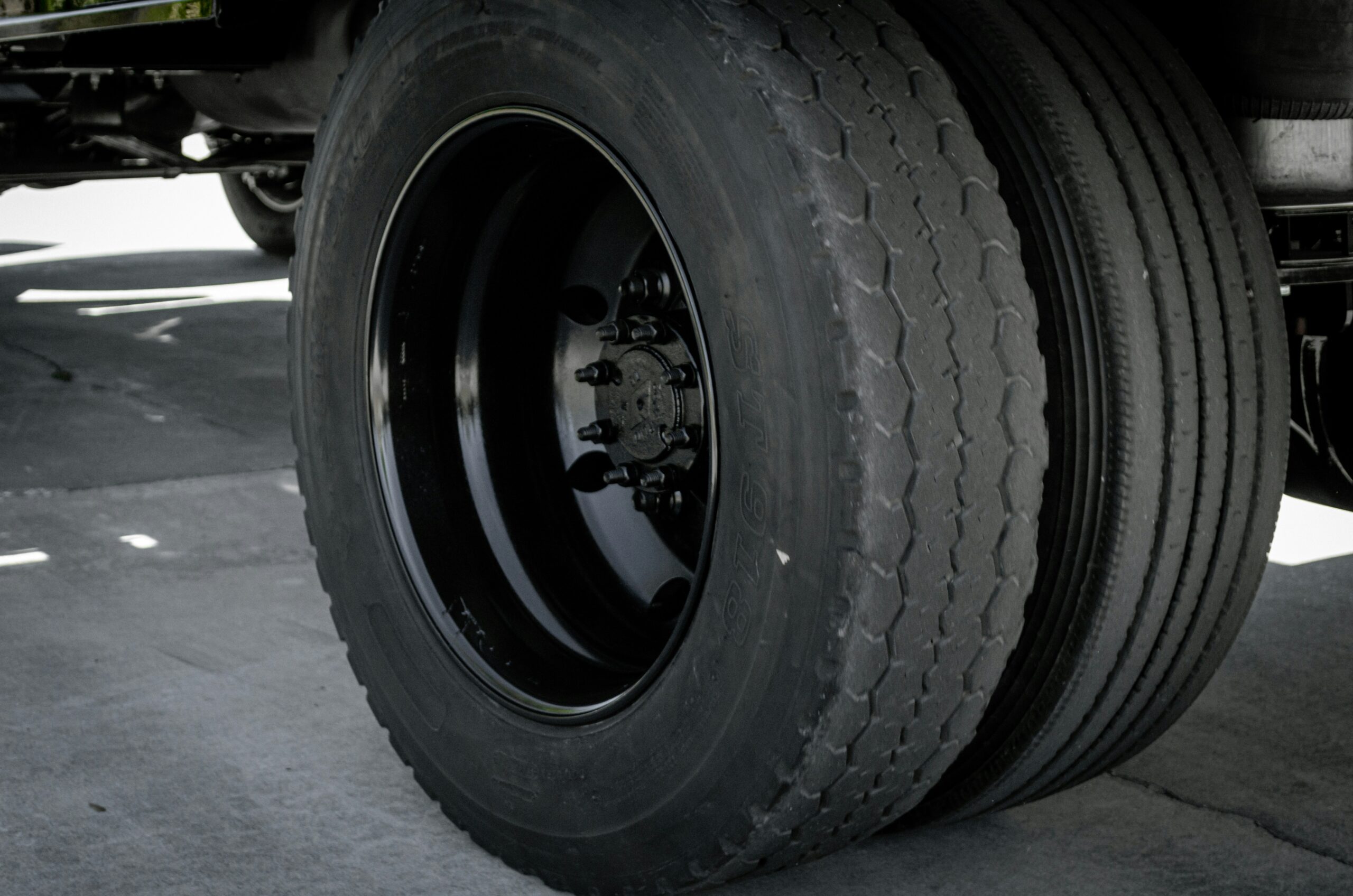

If you drive a truck long enough, you already know the truth:
Your tires usually tell the full story long before they fail. The real problem? Most truck owners and truck drivers are too busy, too tired, or too distracted to notice the early warnings.
But ignoring the signs that your truck tires need replacing can be very dangerous. Worn tires affect braking distance, steering control, stability under heavy loads, and ultimately, your safety on the road.
This guide breaks down the top 5 signs your truck tires need replacing, with extra insights the usual blogs don’t mention. You’ll also get a self-inspection checklist, tire-life tips, and real-world scenarios that help you understand what to do next.
Let’s dive in.
Why Tire Condition Matters More for Trucks
Before we get into the specific signs, here’s what makes tire maintenance especially critical for trucks:
- Heavier loads = faster wear
- Longer driving hours = more heat buildup
- Bigger surface area = more chances for uneven wear
- Commercial driving = higher safety responsibility
For many drivers, a truck isn’t just a vehicle; it’s a livelihood. And the last thing you want is downtime, surprise tire costs, or worse, an avoidable accident.
1. Tread Depth Is Too Low (Your First and Most Obvious Warning)
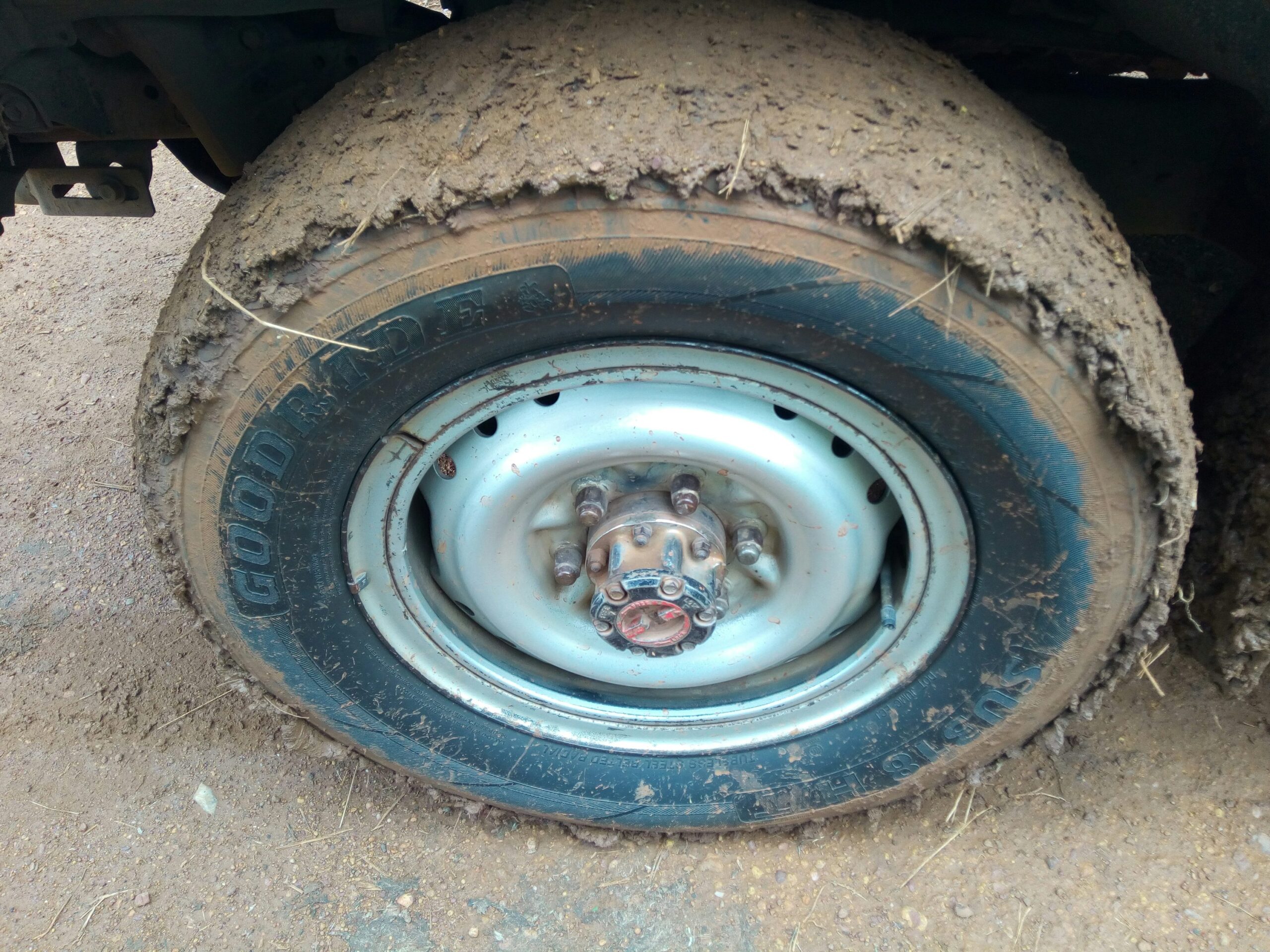
If there’s one rule every truck driver should follow, it’s this:
Once your truck’s tread depth drops below safe limits, your tires are no longer reliable, even if they “look fine.”
Why tread depth matters
Your tread grips the road, channels away water, and helps you brake without sliding. With a heavy truck, shallow tread means:
- Longer braking distance
- Higher risk of hydroplaning
- Poorer traction on gravel or wet roads
- Extra strain on your steering and suspension
READ ALSO: Top 10 Best Car Scratch Removers in 2026: Buyer’s Guide & Reviews
Recommended tread depth for trucks
| Tire Position | Replace At | Why |
|---|---|---|
| Steer Tires | 4/32 inch | Steers need deeper tread for safe turning + wet traction |
| Drive Tires | 2/32 inch | Still safe at slightly lower tread |
| Trailer Tires | 2/32 inch | Reduced turning load means less tread needed |
Easy ways to check tread depth
- Tread depth gauge (most accurate)
- Quarter test (Washington’s head disappears = replace steer tires)
- Built-in wear bars (if flush = replace now)
A quick real-world example
A long-haul driver once shared how he kept feeling slight sliding on wet roads but ignored it because the tires “didn’t look bald.” After a DOT inspection, he learned his steer tires were at 3/32″ — just below safe limits. He said:
“I didn’t realize how bad it was until I replaced them and the truck suddenly felt anchored again.”
When your tread depth drops too low, trust your measurements, not your eyes.
2. Uneven Tire Wear (Your Truck Is Trying to Tell You Something)
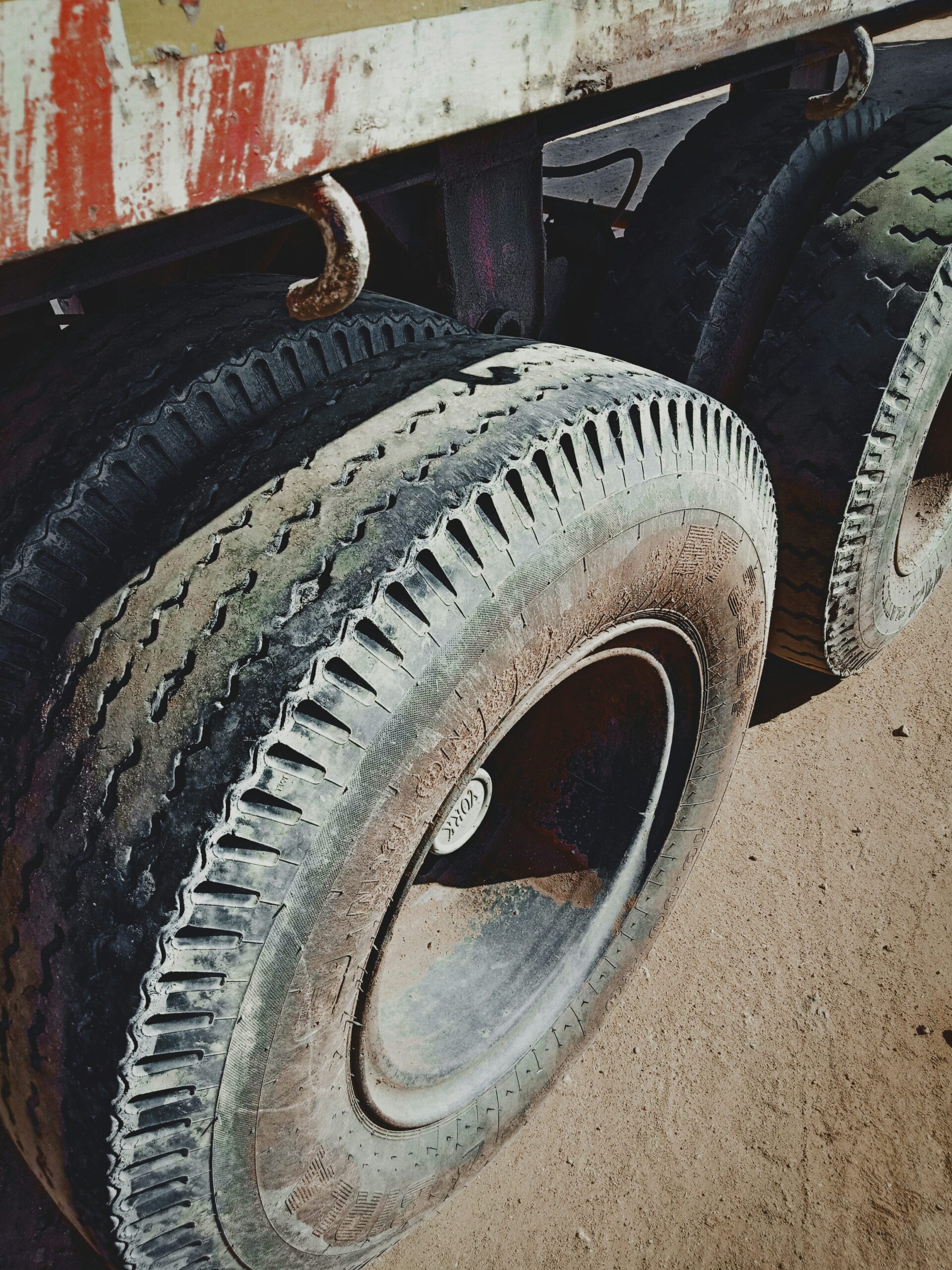
Uneven wear doesn’t happen by accident; it’s almost always a symptom of a deeper mechanical issue.
Types of uneven wear to watch for
- Edge wear → often caused by under-inflation
- Center wear → usually over-inflation
- Cupping / scalloping → suspension problems
- Feathering → misalignment
- One-sided wear → bent axle or chronic misalignment
These patterns don’t just ruin tires… they signal problems that affect your entire truck.
What to do if you see uneven wear
- Check tire pressure immediately
- Get an alignment
- Inspect suspension components
- Rotate tires (if applicable)
Uneven wear is one of the most overlooked signs your truck tires need replacing, yet it’s often the one that saves you the most money if caught early.
READ ALSO: 10 Best Car Vacuums for 2025/2026: The Ultimate Guide to Keeping Your Car Spotless
3. Cracks, Bulges, Cuts, and Sidewall Damage
While tread issues can sometimes wait, sidewall damage never should.
Why sidewall damage is dangerous
The sidewall flexes constantly as your truck moves. Any weakness — crack, bulge, or deep cut — means the structural integrity has been compromised.
Common causes of sidewall damage
- Overloading
- Hitting potholes or debris
- Age-related cracking
- Long exposure to sunlight and heat
- Driving underinflated
If you see deep cracks, raised bubbles, or anything unusual on the sidewall, replace the tire immediately.
Not “later.” Not “after this load.”
Now.
4. Frequent Air Pressure Loss (Your Tire Is Leaking — Even If You Can’t See It)
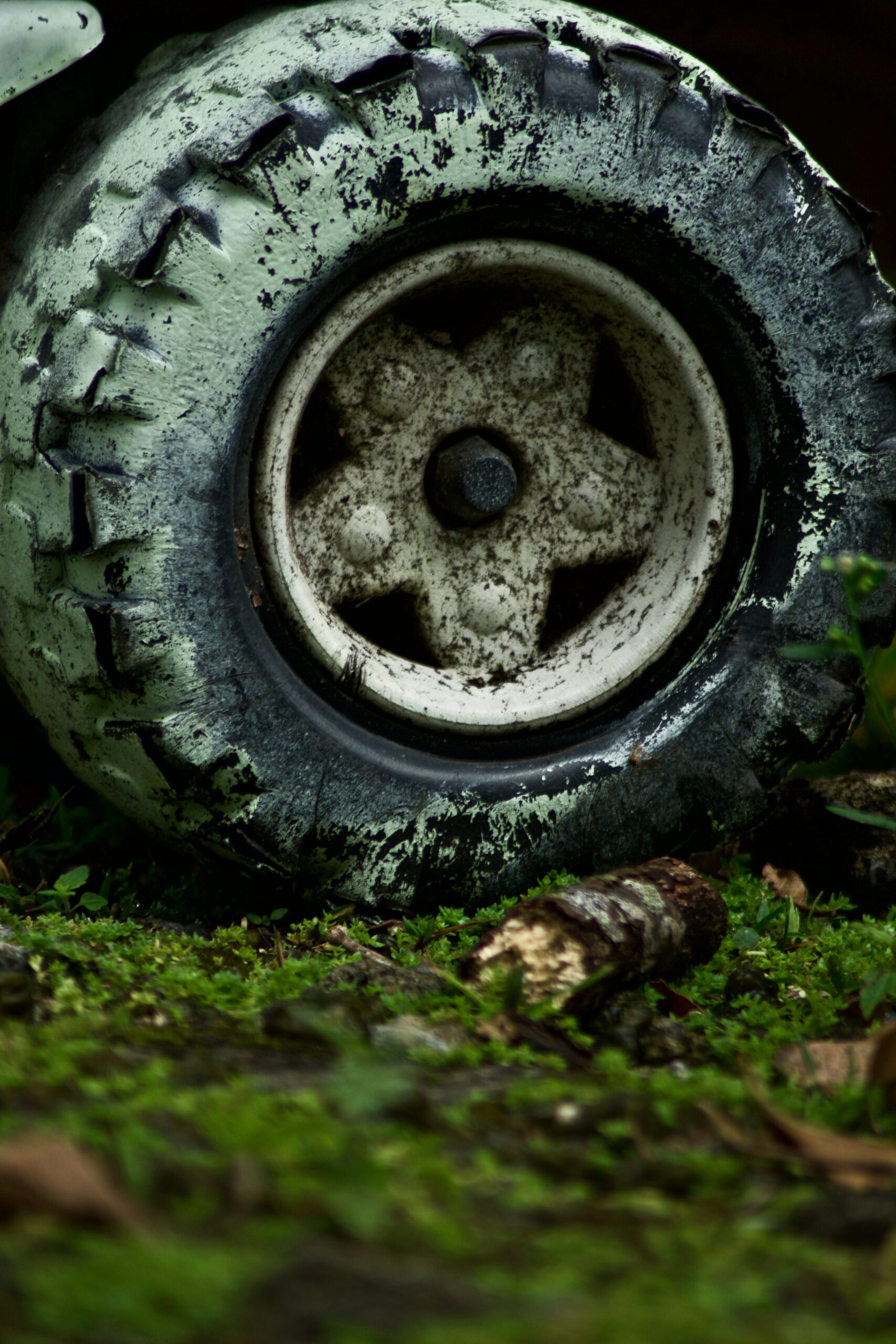
Slow leaks are one of the most frustrating maintenance issues for truck drivers. You fill one tire on Monday, and by Wednesday, it’s low again.
Why frequent pressure loss is a major red flag
- It creates heat buildup, which ruins internal tire structure
- It damages sidewalls
- It increases fuel consumption
- It wears tread unevenly
- It leads to blowouts
Possible causes
- Bad valve stem
- Tiny puncture
- Bead leak
- Damaged rim
- Old tire with dry rot
Pro Tip:
If you have to add air more than once a week, the tire needs professional inspection, and probably replacement.
5. Tire Age and Internal Degradation (The Silent Problem)
Even if your tires look “perfect,” age can ruin them from the inside out.
How to check tire age
Look for the DOT code on the sidewall.
The last four digits = week + year of manufacture.
Example:
DOT XXXX XXXX 1219 → Made in the 12th week of 2019.
When to replace based on age
Most experts recommend:
- 6 years for light-duty trucks
- 6–10 years max for heavy-duty or commercial trucks, depending on mileage and storage conditions
A tire can still fail from the inside due to:
- Dry rot
- Belt separation
- Heat damage
- Ozone and UV exposure
Age-related tire failures are some of the hardest to predict, and the most violent when they happen.
READ ALSO: Top 10 Budget-Friendly Truck Accessories That Deliver Big Value (Without Breaking The Bank)
Bonus Sign: Strange Vibrations or New Road Noise
New vibration at the steering wheel or seat is often an early sign of:
- Internal belt separation
- Tire imbalance
- Severe uneven wear
- Tire losing roundness (out-of-round condition)
If the vibration increases with speed, assume tire failure is possible.
Self-Inspection Checklist for Truck Drivers
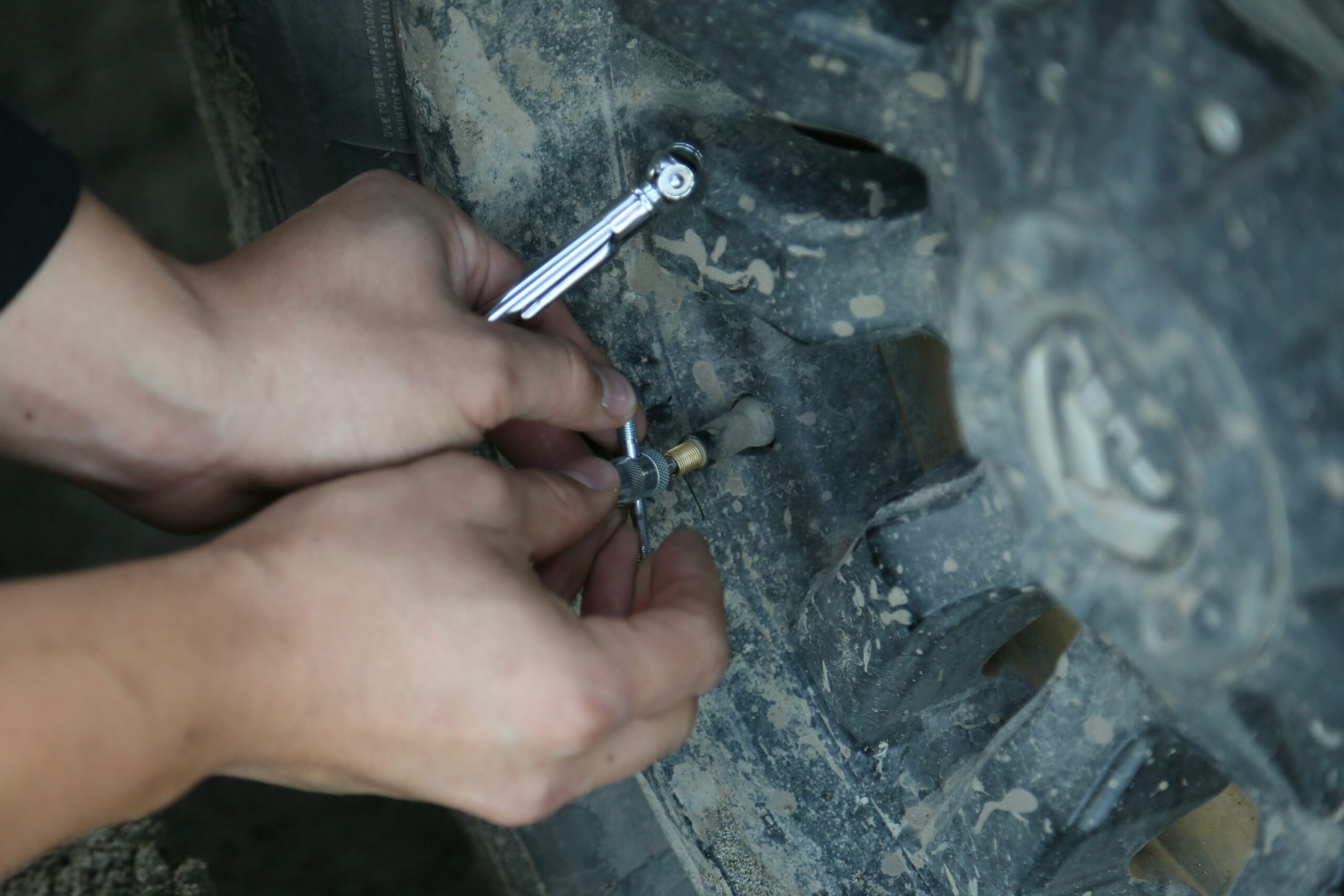
Use this quick checklist once a week:
Tire Condition Checklist
- Tread depth above legal minimum
- No visible cracks or cuts
- No bulges on the sidewall
- No embedded metal/brackets/nails
- Even wear across the tread
- No strange vibrations while driving
- Tire age within safe range
Pressure Checklist
- Tire holds air between checks
- Matches recommended PSI
- No slow leaks
How to Extend the Life of Your Truck Tires
1. Maintain proper pressure
Most tire failures can be traced to poor inflation habits.
2. Rotate when needed
Drive tires and trailer tires often need timed rotation for even wear.
3. Avoid chronic overloading
Your suspension, axles, and tires will all thank you.
4. Fix alignment issues quickly
If your steering wheel pulls, don’t wait.
5. Inspect weekly
Catching a problem early can literally save hundreds of dollars.
When to Replace vs Repair
A tire can be repaired if:
- The puncture is in the tread area
- Hole is smaller than 1/4 inch
- No sidewall damage
You must replace your tire if:
- Puncture is on the sidewall
- There’s a bulge
- Cracks are visible
- It loses air constantly
- Age has exceeded the recommended limit
Repairs save money, but replacements save lives.
READ ALSO: The Best Car Phone Grips for Safe and Convenient Use in 2025: Grip Types, Safety Tips & Top Picks
Conclusion: Don’t Wait for a Blowout to Pay Attention
Ignoring the early signs your truck tires need replacing puts you, your cargo, and everyone on the road at risk. Tires don’t fail suddenly; they fail slowly, and then all at once.
A 5-minute weekly inspection could save you thousands of dollars and prevent avoidable breakdowns.
Your truck works hard.
Your tires work harder.
Give them the attention they deserve.
Drop a comment, and let’s know what you think.